
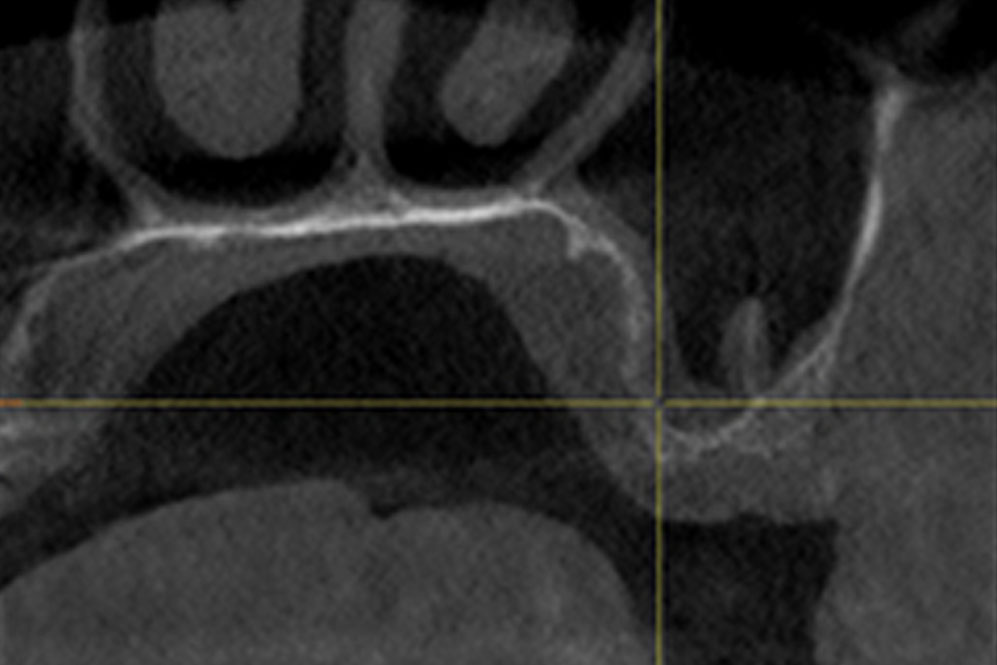
Sinus Lift – Supporting Bone Volume in the Upper Jaw
A sinus lift, also known as sinus augmentation, is a surgical procedure used to increase bone volume in the posterior region of the upper jaw. It may be considered during the planning of certain restorative treatments, including dental implants.
When bone volume has decreased due to tooth loss or periodontal disease, a sinus lift involves elevating the sinus floor to create space for bone graft material. This procedure is intended to support sufficient bone height in the upper jaw, which may be taken into account when evaluating restorative options.
Procedure Overview
During a commonly used sinus lift technique, a small incision is made in the gum tissue near the upper premolars or molars to access the jawbone. A window is created in the bone, allowing the sinus membrane to be carefully elevated. Bone graft material is then placed beneath the membrane to support bone formation. The graft material may consist of the patient’s own bone, donor bone, or synthetic substitutes designed to support bone regeneration.
The surgical site is then closed, and a healing period is allowed before any subsequent restorative steps are considered. The exact protocol and healing timeline depend on the individual clinical situation.
By contributing to increased bone volume in the upper jaw, sinus augmentation supports the planning of restorative treatments, with attention to function and structural stability.
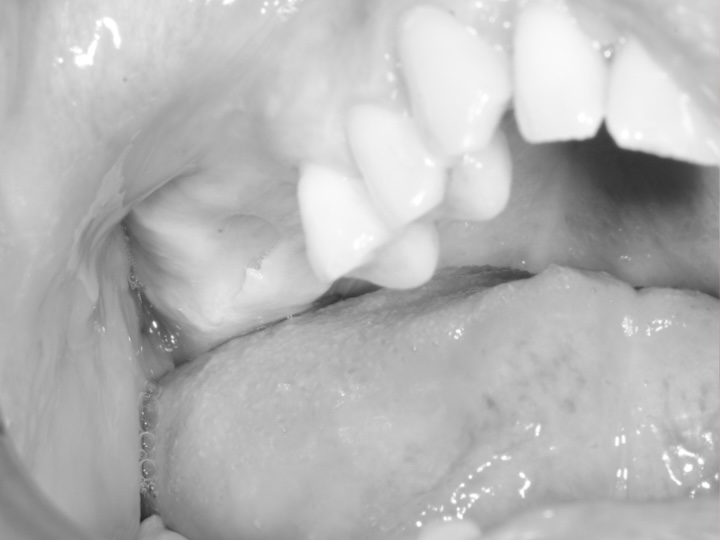
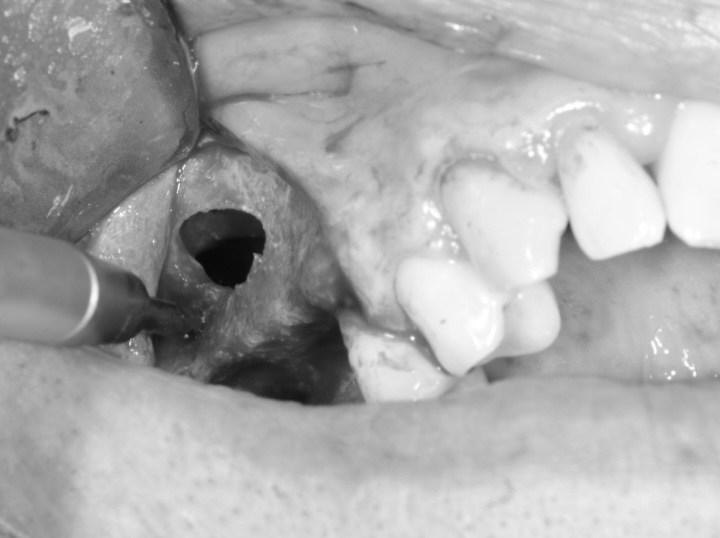
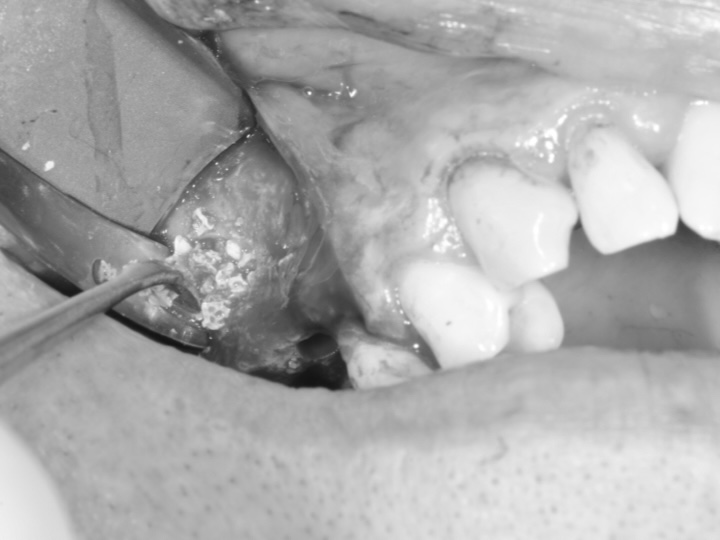
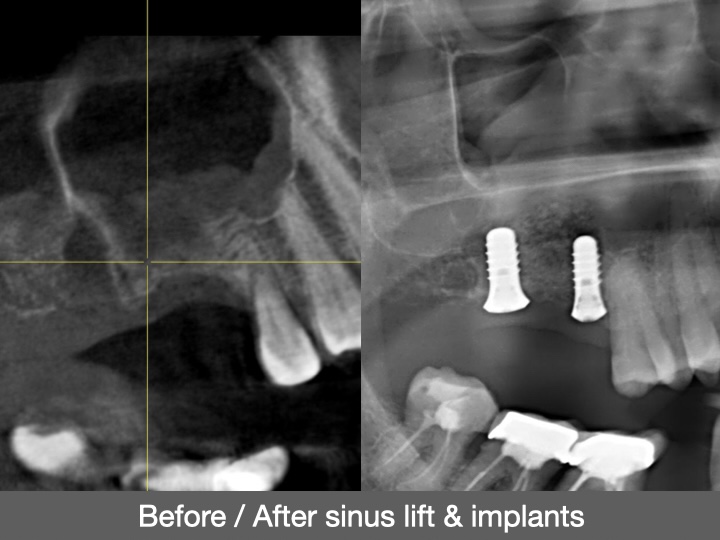
Outcomes are individual and may vary according to each patient’s circumstances.
All images are the intellectual property of Dr. Catea and illustrate clinical work performed by him within the practice. Any reproduction, distribution, or use without prior written authorization is strictly prohibited.


