
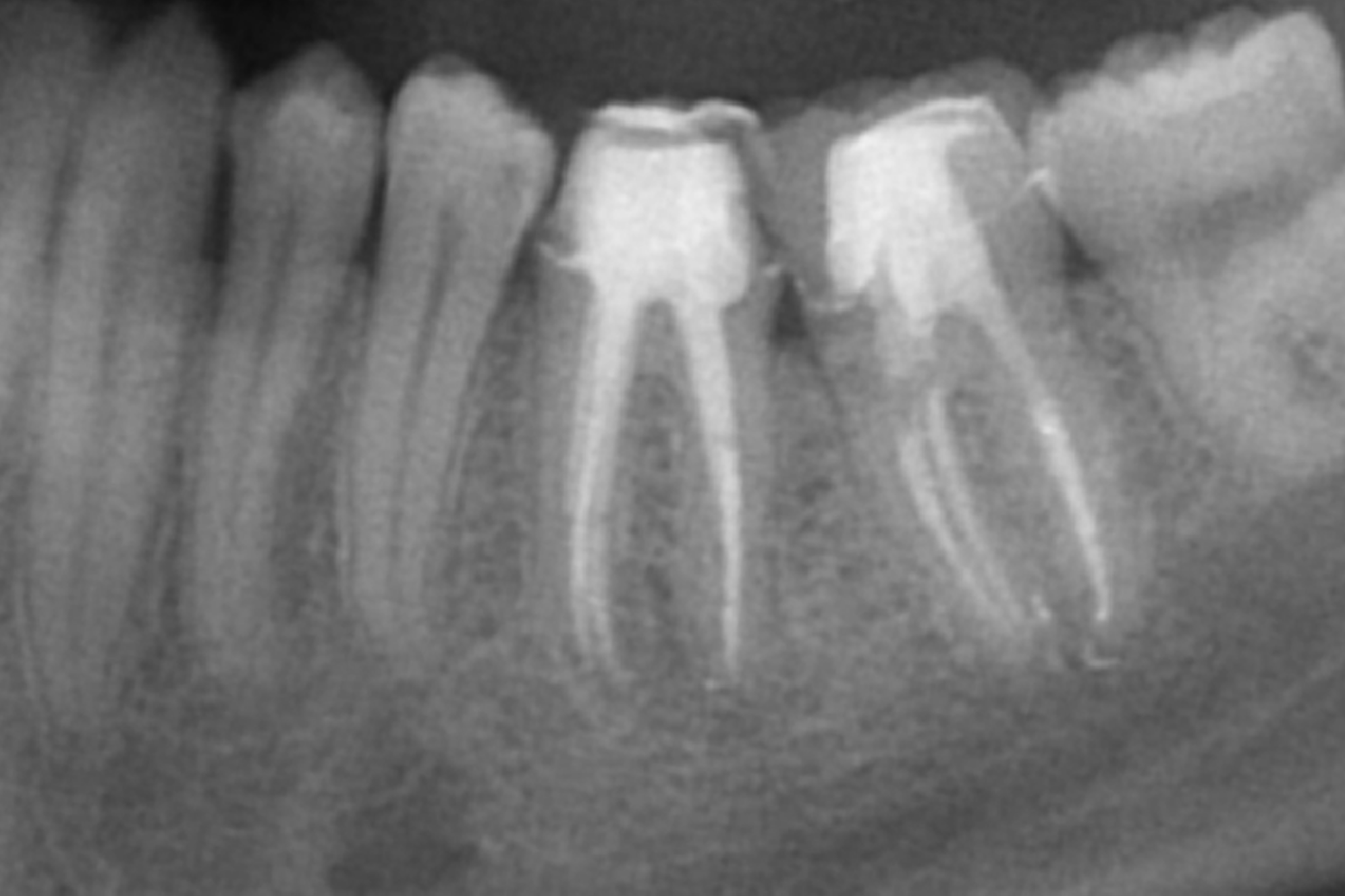
Root Canal Therapy – Preserving Natural Teeth and Oral Health
Root canal therapy, also called endodontic treatment, is a dental procedure designed to remove infected or inflamed pulp from within a tooth. The pulp is the living tissue inside the tooth, containing nerves and blood vessels that support tooth development and function. When the pulp becomes damaged, infection and discomfort may occur.
Indications for Root Canal Treatment
Root canal therapy is typically indicated when the pulp is compromised due to deep decay, trauma, or repeated dental procedures. Signs that treatment may be necessary include:
-
Lingering sensitivity to hot or cold
-
Severe or spontaneous tooth pain
-
Swelling or tenderness in the gums
-
Recurring abscess near the affected tooth
-
Discoloration or darkening of the tooth
Treatment Procedure
The procedure is usually completed over one or two appointments, depending on tooth complexity. After local anesthesia, a rubber dam is placed to isolate the tooth. A small opening is created in the crown to access the pulp chamber. Infected tissue is carefully removed, and the canals are cleaned and shaped with fine instruments.
Following cleaning, the canals are sealed with biocompatible material. When required, a temporary filling is placed, and the final restoration is completed during a subsequent appointment. In most cases, a custom-made crown is later placed to protect the tooth, restore function, and reduce the risk of fracture.
Recovery and Aftercare
Some sensitivity or mild discomfort may occur while surrounding tissues heal. Clear post-treatment instructions are provided to support recovery and optimize long-term outcomes.
Root canal therapy is a well-established procedure aimed at preserving natural teeth and maintaining oral health. Occasional retreatment may be necessary if new infections develop.
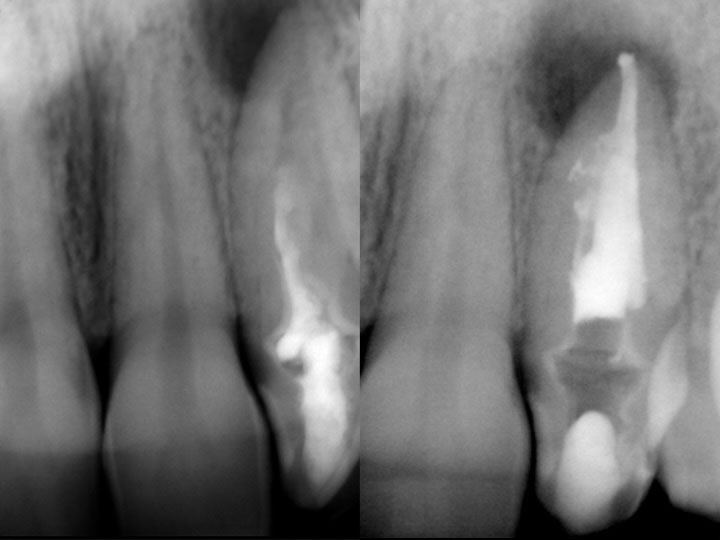
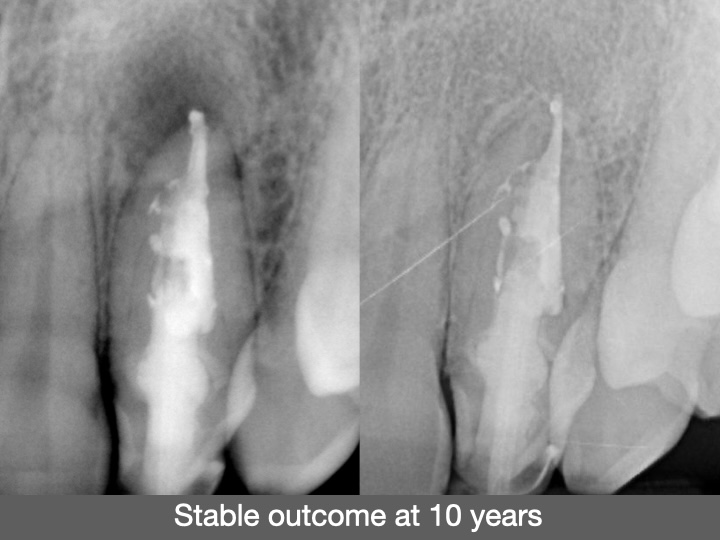
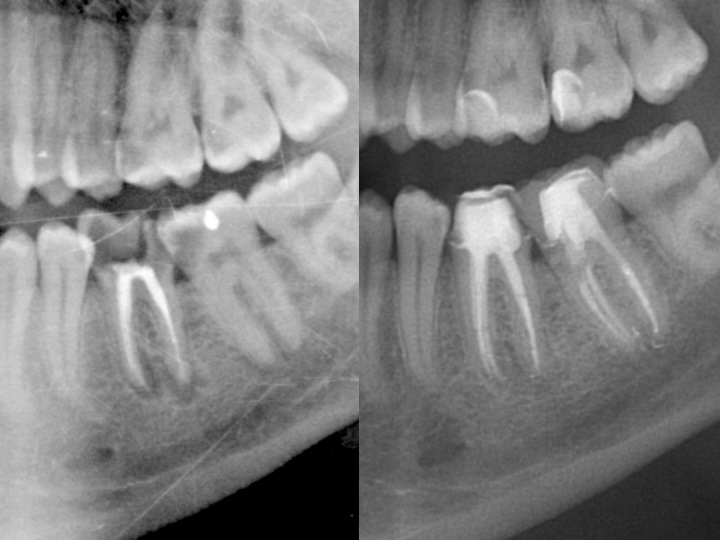
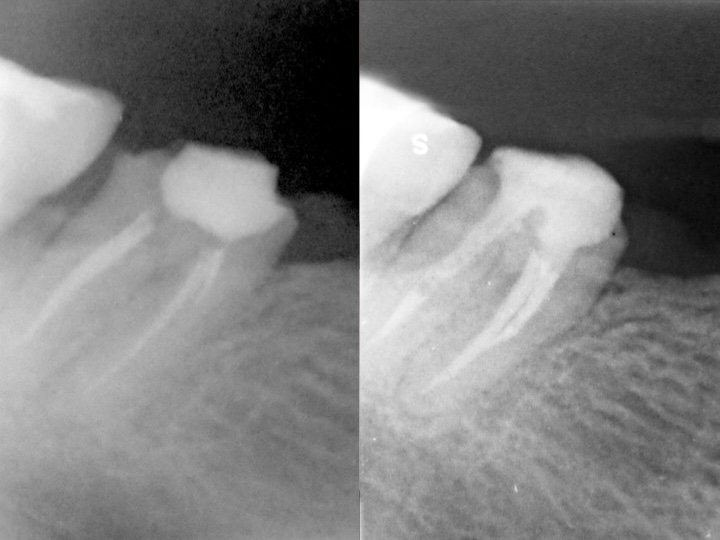
Outcomes are individual and may vary according to each patient’s circumstances.
All images are the intellectual property of Dr. Catea and illustrate clinical work performed by him within the practice. Any reproduction, distribution, or use without prior written authorization is strictly prohibited.


