
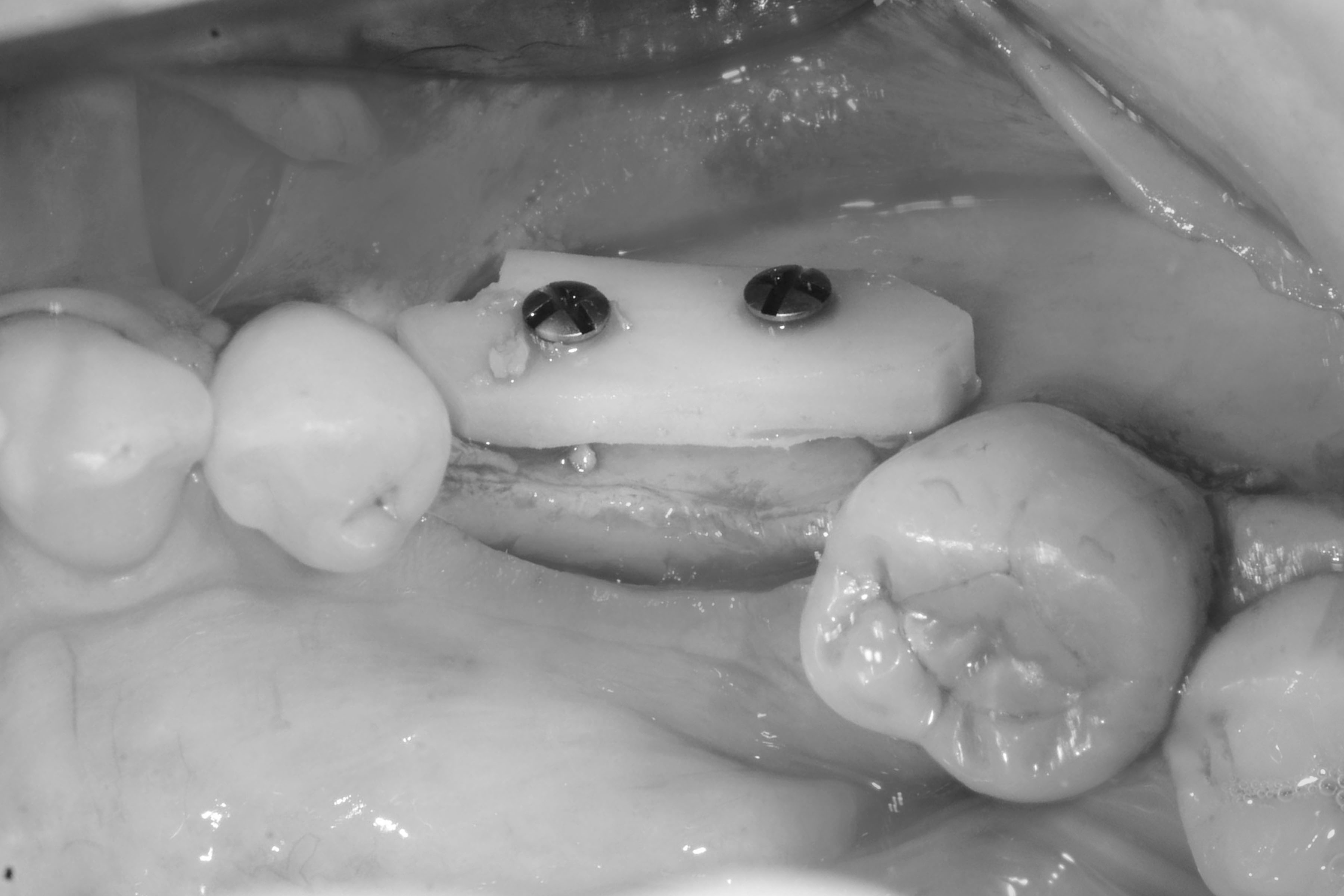
Bone Grafting – Supporting Jawbone Structure and Restorative Care
Bone grafting is a procedure used in restorative dentistry to support jawbone structure. It is often performed in conjunction with dental implants or other restorative treatments. Adequate bone height, width, and density are important factors when planning stable dental restorations. When the jawbone has receded or been affected by disease or tooth loss, bone grafting may help create conditions suitable for treatment.
Why Jawbone Volume Is Important
Several factors can contribute to a reduction in jawbone volume:
Periodontal Disease: Advanced periodontal disease may damage the bone supporting the teeth, potentially leading to tooth instability or loss.
Tooth Extraction: Following tooth removal, the surrounding bone may gradually resorb over time. In some cases, bone grafting may be considered to support future restorative options.
Bone grafting is intended to support jawbone volume by contributing to bone height, width, and density, which may be beneficial when planning implants or other restorations. Pre-treatment evaluation may include managing periodontal conditions, assessing adjacent teeth, and using CBCT imaging to analyze bone structure in detail.
Types of Bone Grafts
Autogenous Bone Graft: Bone harvested from the patient, often from the lower jaw, and commonly used in restorative procedures.
Xenograft: A natural bone substitute, typically of bovine origin and classified as a Class III medical device, widely used to support bone regeneration.
The Bone Grafting Procedure
Over several months, the graft material integrates with the existing jawbone, supporting new bone formation at the treatment site. In some cases, a protective membrane may be placed to support healing.
Bone grafting is generally performed on an outpatient basis. Post-operative instructions and, when appropriate, medications are provided to support recovery and help manage discomfort, swelling, or infection risk.
By supporting jawbone volume, bone grafting contributes to the planning of restorative treatments such as dental implants, with attention to function and structural support.
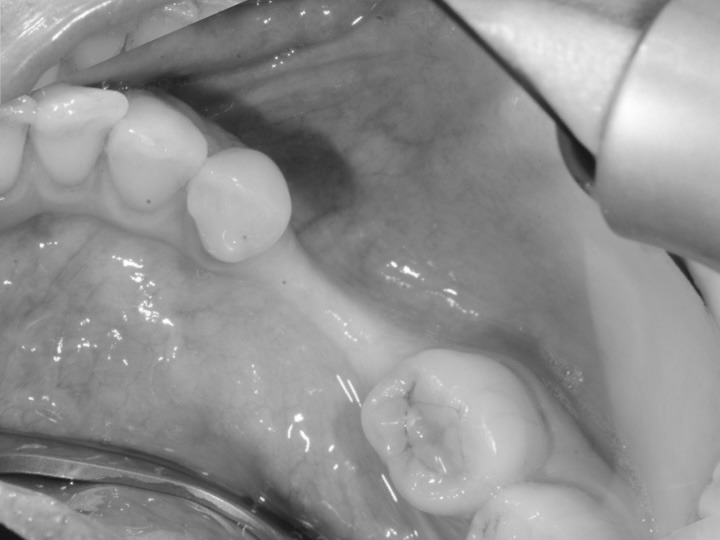
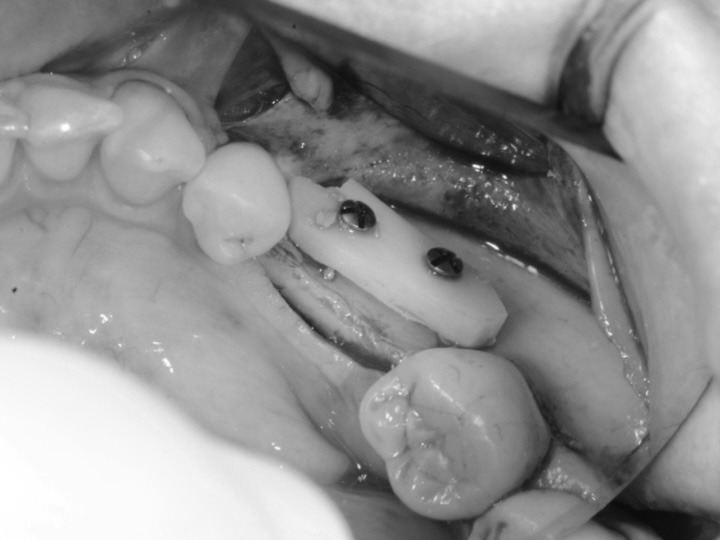
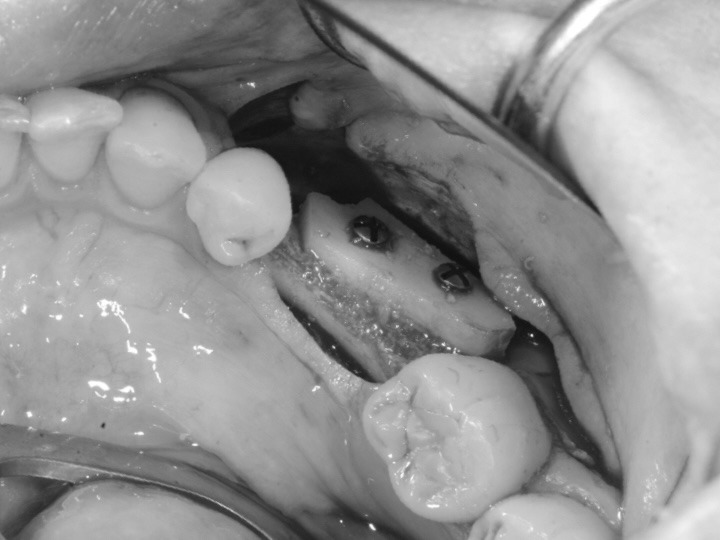
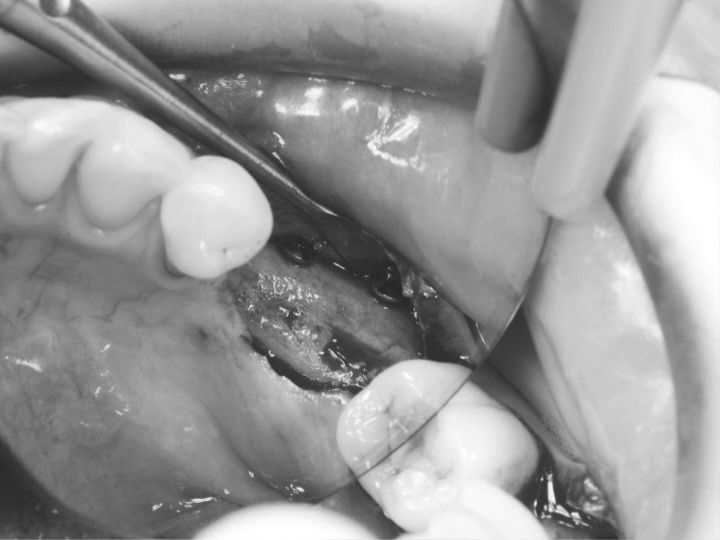
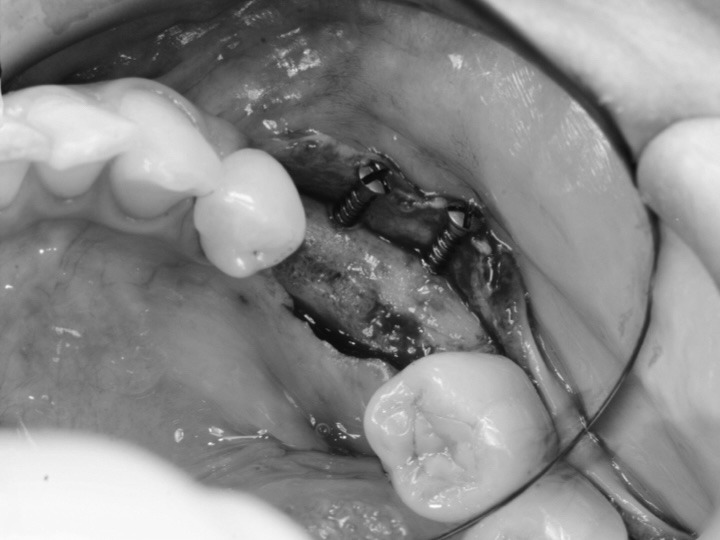
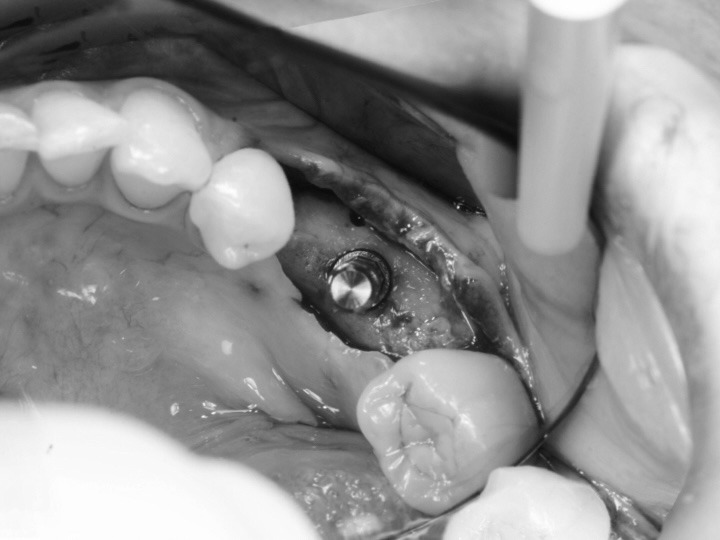
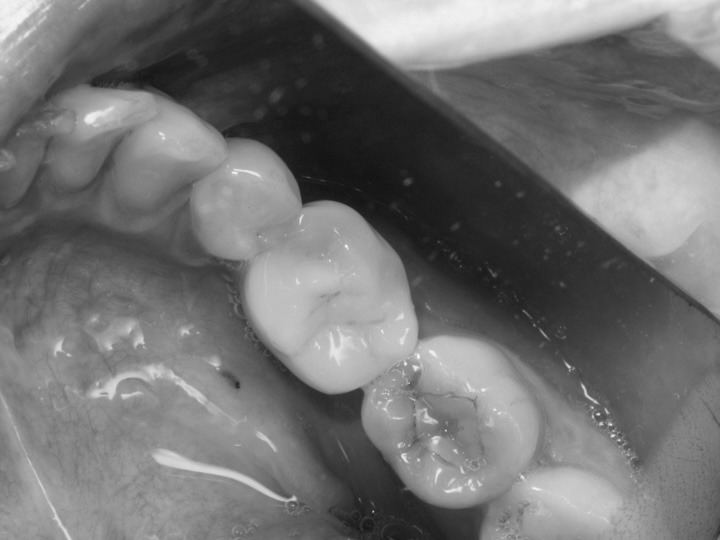
Outcomes are individual and may vary according to each patient’s circumstances.
All images are the intellectual property of Dr. Catea and illustrate clinical work performed by him within the practice. Any reproduction, distribution, or use without prior written authorization is strictly prohibited.


