

Prevention & Hygiene – The Foundation of a Healthy Smile
Comprehensive dental examinations are performed during the initial visit and at every routine check-up. These evaluations allow close monitoring of oral health and early detection of potential concerns. A typical exam includes:
-
Gum disease evaluation: Assessment of the gums and supporting bone for signs of periodontal disease.
-
Assessment of tooth decay: Examination of all tooth surfaces to identify cavities.
-
Evaluation of existing restorations: Inspection of fillings, crowns, and other dental work.
-
Review of diagnostic information: X-rays or other imaging are taken only when clinically indicated to support diagnosis or treatment planning.
Professional Dental Cleaning
Professional dental cleanings include preventive:
-
Removal of calculus (tartar): Hardened plaque above and below the gumline is removed with specialized instruments.
-
Removal of plaque: Soft bacterial film is eliminated to reduce gum inflammation and the risk of periodontal disease.
-
Teeth polishing: Surface stains and residual plaque are removed.
-
AirFlow cleaning: A gentle jet of air, water, and sodium bicarbonate powder removes biofilm and stains from tooth surfaces.
Routine professional cleanings are recommended twice a year for preventive care, and every 3–4 months for individuals with periodontal disease.
Daily Oral Hygiene
Consistent brushing and flossing are essential for maintaining oral health. While professional cleanings remove plaque and tartar, effective daily home care is equally important.
Why Proper Brushing and Flossing Matter
-
Prevents tooth decay: Plaque acids erode enamel, increasing the risk of cavities.
-
Prevents periodontal disease: Plaque toxins can cause gum recession, bone loss, and related health concerns.
-
Prevents halitosis: Proper cleaning removes bacteria and debris that cause bad breath.
Home-Care Tools and Techniques
-
Toothbrushes: Manual brushes should be replaced every three months. Brush twice daily with gentle, circular motions at a 45-degree angle to the gumline. Cover all tooth surfaces and brush the tongue.
-
Dental floss: Removes plaque and debris between teeth. Floss gently at least once per day.
-
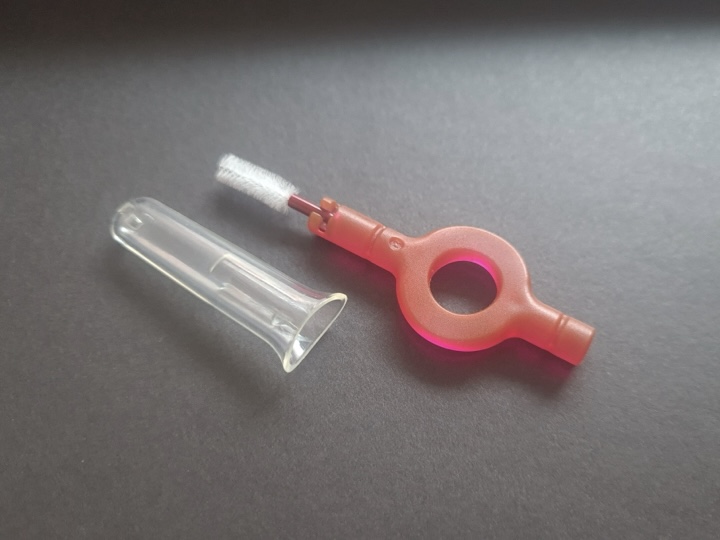
Interdental brushes: Clean spaces between teeth and along the gum line, especially for sensitive areas.
-
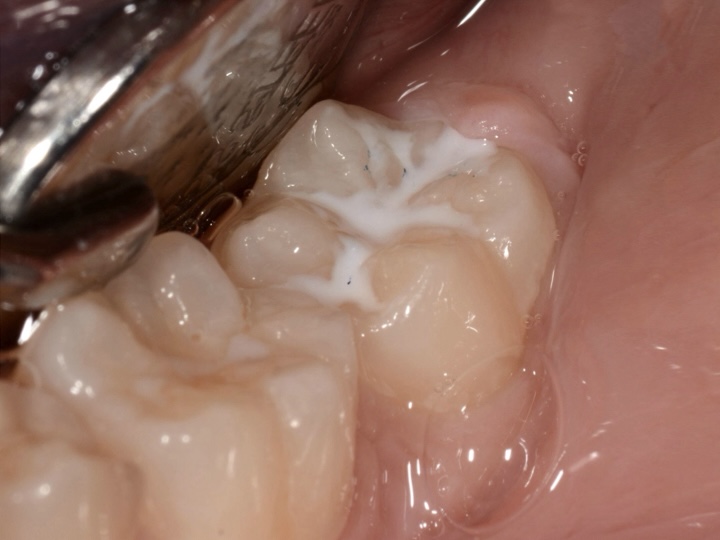
Sealants: Thin protective resin coatings can be applied to molars and premolars to prevent decay. Sealants are suitable for both children and adults and provide a smooth, easy-to-clean surface. Their condition should be checked periodically during routine visits and replaced if worn or chipped.
Outcomes are individual and may vary according to each patient’s circumstances.
All images are the intellectual property of Dr. Catea and illustrate clinical work performed by him within the practice. Any reproduction, distribution, or use without prior written authorization is strictly prohibited.


